

Epoxy grout uses a resin-based formulation and is considered for applications that need suitable resistance to staining, moisture or certain chemicals. Its performance depends on the selected product and correct application.
Epoxy grout is a joint-filling material; it should not automatically be treated as a replacement for the waterproofing system beneath the tiles.
Suitable tiled installations in commercial spaces where joint performance and ease of cleaning are important.
Applications where the selected epoxy grout is compatible with the tiles, joints and cleaning environment.
Selected pool-tile applications where the grout system is specified for immersion and the relevant pool conditions.
Suitable installations where exposure requirements call for a grout system with specified chemical or cleaning resistance.
Areas requiring a particular joint finish or performance characteristic according to the design and product specification.
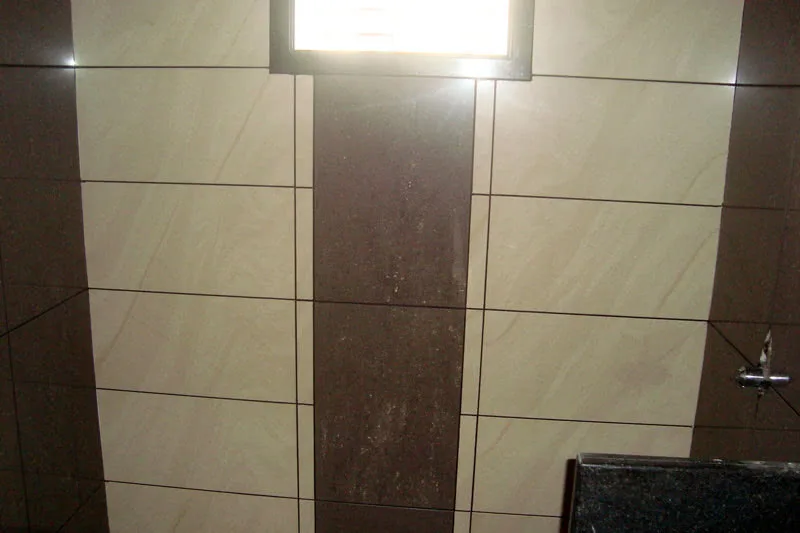
Suitable epoxy grout systems generally provide lower absorption than conventional cementitious grout.
Some epoxy formulations provide good resistance to many common stains when installed and maintained as specified.
Resistance depends on the resin formulation, the chemical involved, its concentration, temperature and duration of exposure.
When properly applied, epoxy grout can provide a consistent joint appearance and a surface that is easier to clean under suitable conditions.
Inspect the tiled area and identify damaged or deteriorated joints.
Remove unsuitable existing grout where replacement is necessary.
Clean and prepare the joints, ensuring the conditions meet the product requirements.
Mix the epoxy components in the specified proportions and within the permitted working time.
Fill the joints and remove excess material using the specified method.
Clean the tiled surface before the grout cures, following the product instructions.
Allow the required curing time before exposure to traffic, water or chemicals.
Epoxy grout uses a resin-based formulation, while cementitious grout uses a cement-based system. Their installation methods and performance characteristics differ, so the choice should reflect the joint, exposure and maintenance needs.
No. Epoxy grout fills tile joints, but it does not replace the required waterproofing membrane or correct underlying construction defects. The complete tiled assembly must be considered when waterproofing is required.
Not necessarily. Compatibility depends on tile material, finish, joint size and the grout formulation. A compatibility check and suitable application method should be established before work begins.
Discuss the tiled surface, joint condition and exposure requirements with Naturoprotect to select a suitable grout system.
